How Energy-Efficient Lighting Can Transform Your Commercial Space
June 26, 2026
You walk your floor near the end of the day and notice it again. One bank of overhead lights hums faintly. A section in the back sits dimmer than the rest. A fixture near the entrance flickers every few minutes, and your staff have quietly started working around the dim corners. The space feels tired, and you have started to wonder whether the building is the problem.
In most cases, the building is fine. The lighting system is what has aged out. After walking hundreds of commercial floors across the area, we can tell you that outdated fixtures do far more than dim a room. They run hot, pull more power than they should, and shape how a space feels to the people inside it. The single most useful thing to understand before any upgrade is this: better
commercial lighting is not about adding more light. It is about replacing an old system with one that uses less energy, holds its brightness for years, and works with the way your space is actually used. Once you see lighting that way, the upgrade decision gets much simpler.
What Actually Changes When You Upgrade
The first thing you notice after an upgrade is consistency. Older fluorescent and metal halide fixtures lose brightness slowly, so a floor that looked even on day one ends up patchy years later. Modern LED systems hold their output far longer, which means the back of your warehouse looks the same as the area near the windows. Color quality improves too. Products on a retail shelf, paint on a wall, and faces in a meeting room all read more accurately under quality LED light.
Underneath the visible change, your building starts working less hard. LED fixtures convert far more of the energy they draw into actual light rather than heat. That lower energy draw shows up across every fixture, every hour the lights run. For a commercial space that stays lit ten or more hours a day, the reduction adds up quickly across a full year.
Why Older Lighting Quietly Drains Your Building
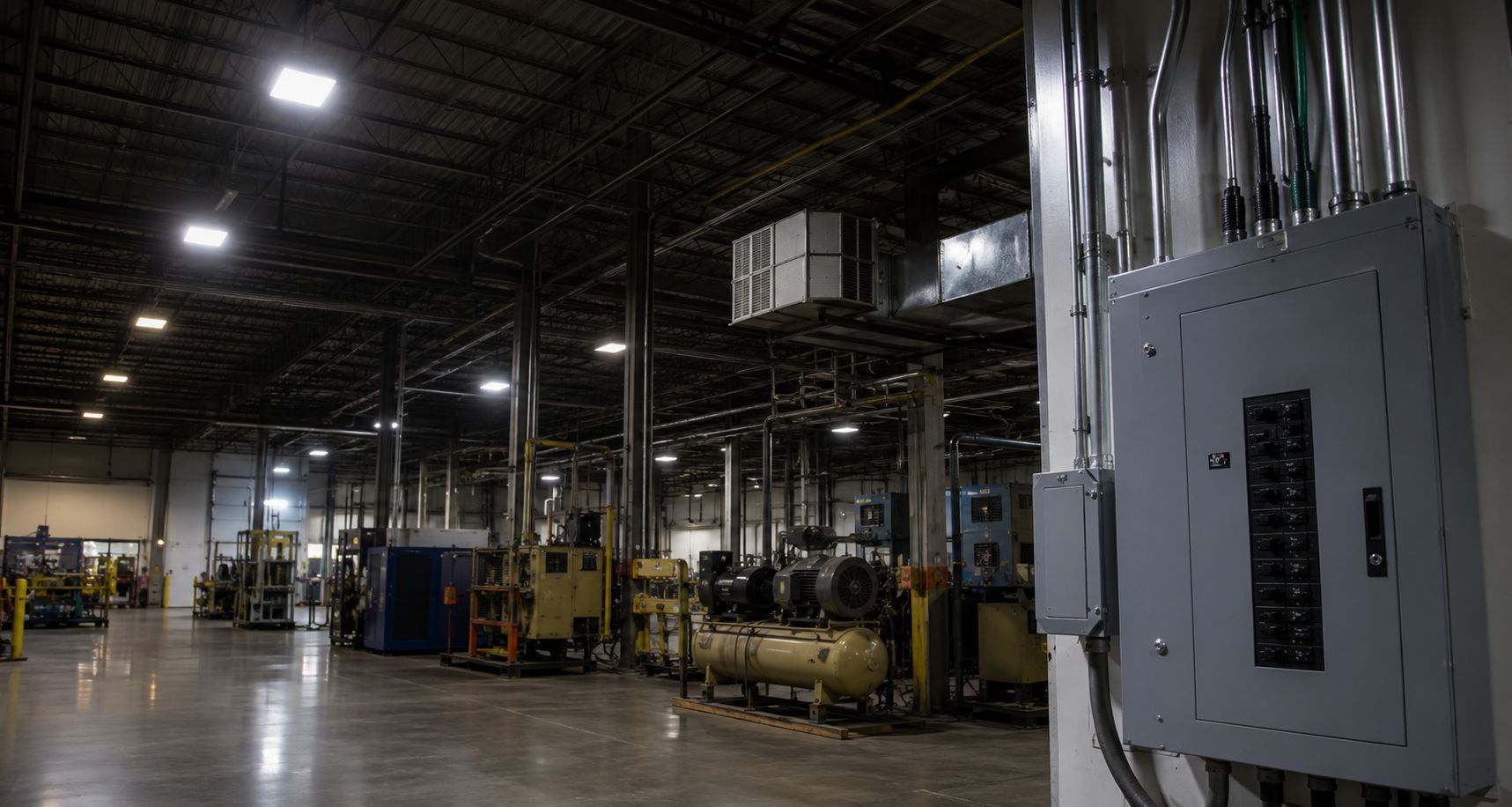
Most aging lighting problems trace back to one thing: the technology was never built to run efficiently. Fluorescent tubes rely on ballasts that degrade, flicker, and waste energy as they age. Metal halide and high pressure fixtures, common in older warehouses and parking areas, can take several minutes to reach full brightness and burn a large share of their energy as heat rather than light.
You can usually spot a system that has aged past its useful life. Watch for fixtures that flicker or take time to warm up, areas that look yellow or gray compared to the rest of the floor, and a noticeable hum from overhead. Heat is the quieter sign. If your overhead lighting noticeably warms the air near the ceiling, that is energy leaving as heat instead of doing its job. In a building with high bays or a lot of fixtures, that wasted heat works directly against your cooling system.
How LED and Smart Controls Work Together
LED is the foundation, but controls are where a space starts to feel genuinely well run. An LED fixture uses a small electronic driver to produce steady light with very little wasted energy, and it holds that output across tens of thousands of hours of use. That long service life is why an LED upgrade changes your maintenance pattern as much as your energy use.
Add controls and the system adapts to how your space is actually occupied. Occupancy sensors shut lights off in storage rooms and back areas that sit empty for hours. Daylight sensors dim fixtures near windows when the afternoon sun is doing the work for free. Scheduling lets a building step down its lighting after hours instead of running every fixture at full output all night. None of this requires you to change how your team operates. The system simply stops lighting empty rooms and bright afternoons at full power.
Lighting and Our Gulf Coast Heat
This is where an upgrade matters more here than in much of the country. Our region runs a long, hot cooling season, and for a good part of the year your air conditioning works hard from morning into the evening. Older lighting adds to that load by throwing heat into the space, so your cooling equipment runs longer to remove warmth the lights themselves created. Switching to fixtures that run cool takes a real source of heat out of the room during the months it hurts most.
Humidity matters too. Damp Gulf Coast conditions are hard on older fixtures and exposed ballasts, especially in warehouses, loading areas, and exterior lighting around a property. Sealed LED fixtures handle our humidity and temperature swings far better. For exterior and parking lighting, where security depends on reliable output, that resistance to heat and moisture keeps lots and entrances properly lit through summer storms and into the night.
Matching Lighting to Your Type of Space
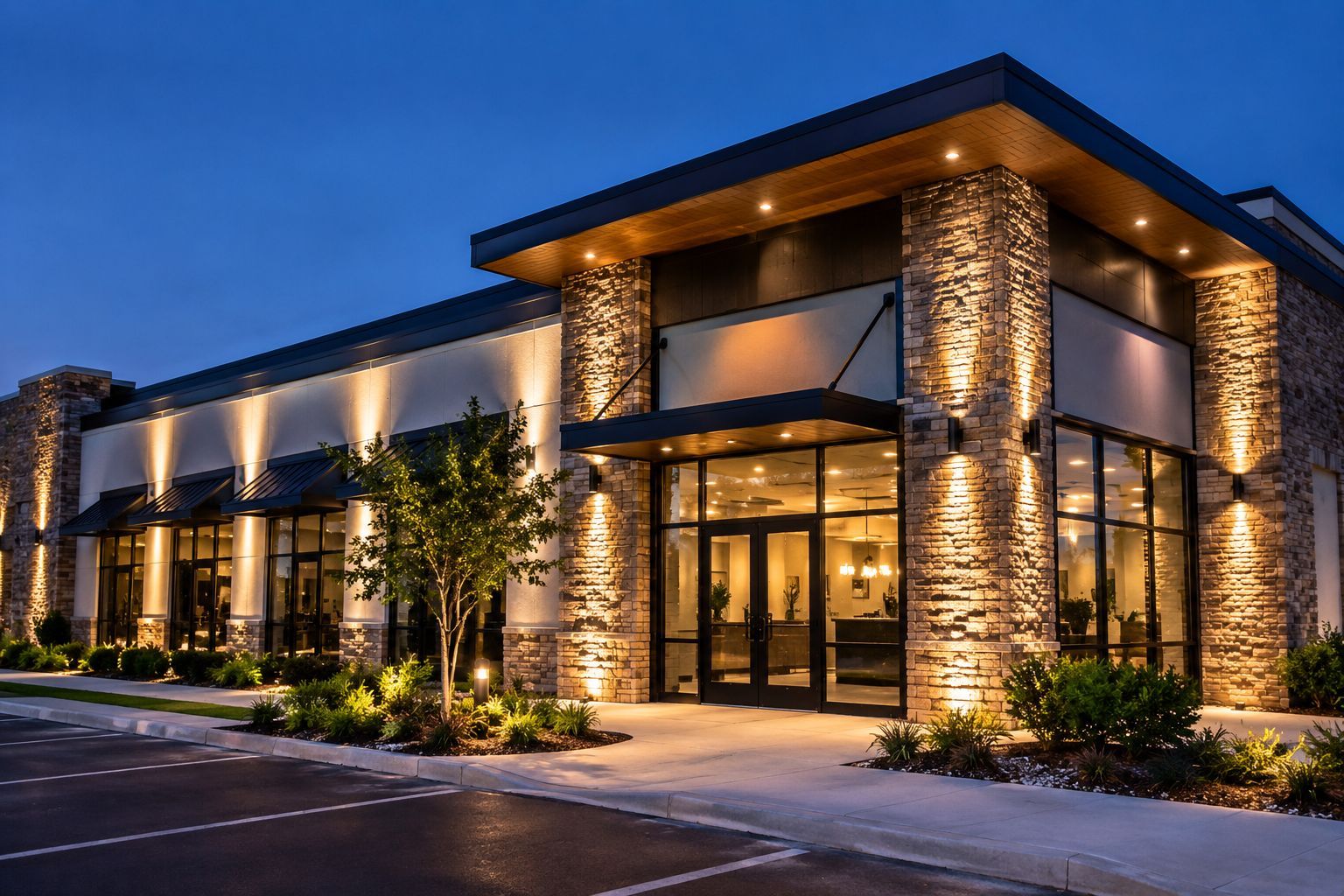
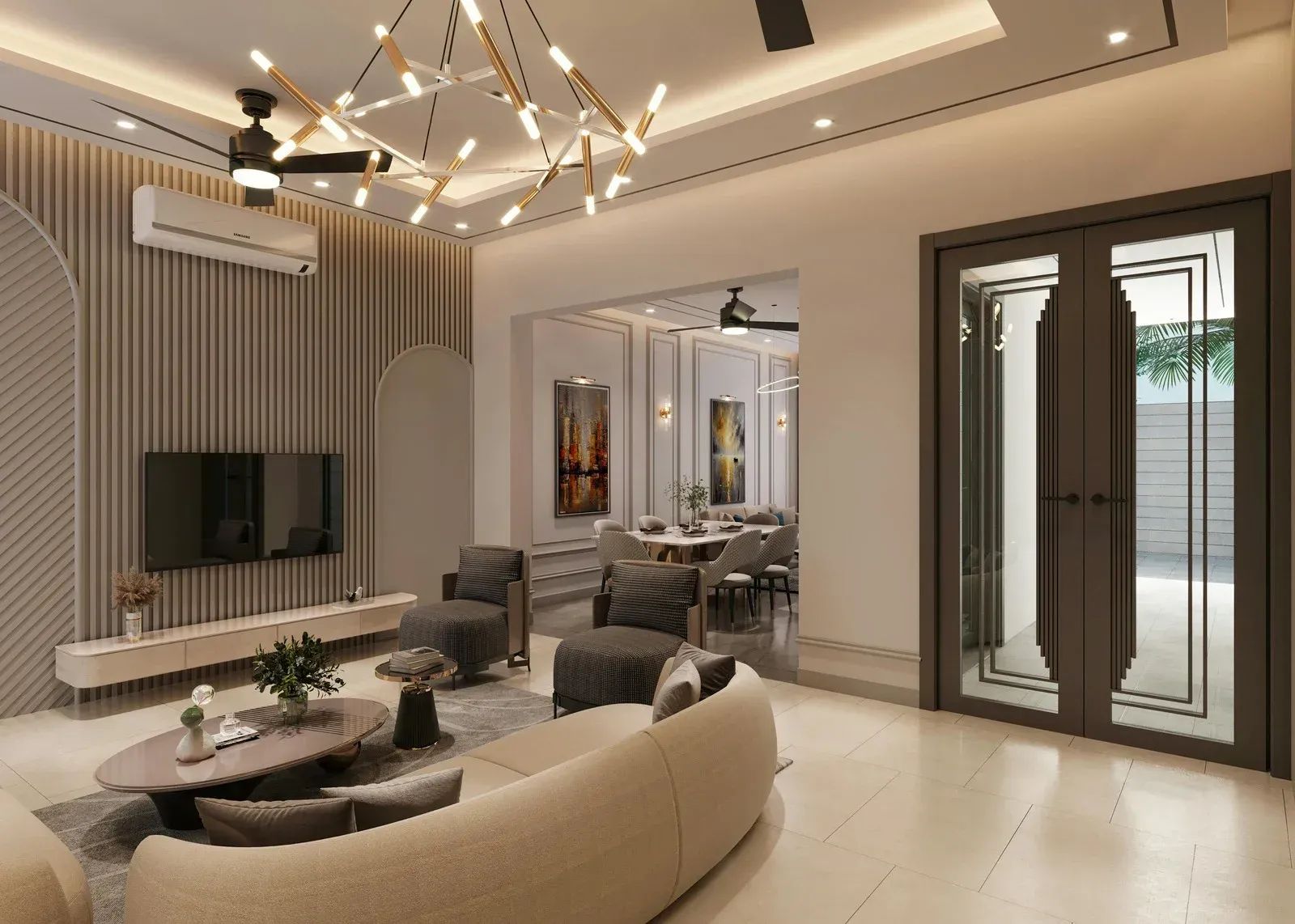
The right upgrade depends on what happens under the lights. A warehouse with high ceilings needs high bay LED fixtures that push usable light down to the floor without glare, paired with sensors for aisles that sit empty much of the day. Retail spaces benefit most from accurate color and even coverage that makes products and signage look right. Offices do better with softer, consistent light and controls that respond to daylight near the windows. Exterior and parking areas call for durable, weather resistant fixtures that hold up to heat and moisture while keeping your property visible and secure after dark. One building often needs a mix, and getting that mix right is most of the work.
What an Upgrade Involves
A good lighting upgrade starts with a walkthrough, not a product list. We look at your existing fixtures, ceiling heights, how each area is used, and where the current system is failing. From there we map out which spaces need full fixture replacement, which can take retrofit kits, and where controls will make the biggest difference fastest. On most service calls we find a handful of areas drawing far more power than the work being done there justifies, and those are usually the first places to address.
The work itself is often less disruptive than building owners expect. Many upgrades happen in stages or after hours so your operation keeps running. The honest part is this: not every fixture needs replacing on day one. Sometimes a phased plan that targets your worst areas first makes more sense than doing everything at once.
Frequently Asked Questions
How long does a commercial lighting upgrade take?
Most upgrades run from a single day for smaller spaces to a few weeks for large facilities handled in stages. Timing depends on fixture count, ceiling height, access, and whether work happens after hours. We schedule around your operation, often working evenings or weekends, so your floor keeps running and daily business sees very little disruption from start to finish.
Can I replace commercial fixtures myself?
Swapping a single bulb is fine, but full commercial fixtures tie into higher load circuits and dedicated wiring that carry real shock and fire risk. Mistakes here can damage equipment or injure someone. We recommend a licensed electrician for any fixture, ballast, or driver replacement, so connections are correct, grounding is sound, and the finished work stays safe for years.
Does the local climate affect lighting choices?
Heavily. Long, hot cooling seasons mean fixtures that run cool ease your air conditioning load, and high Gulf Coast humidity rewards sealed, weather resistant designs. For exterior and parking lighting, heat and moisture resistance keeps your property reliably lit through summer storms and after dark. We choose fixtures rated for our conditions, so your lighting holds up season after season.
How often will I need to replace LED fixtures?
Quality LED fixtures run for many years of normal commercial use, far longer than fluorescent tubes or metal halide lamps. That long service life cuts how often crews climb ladders to swap failed lights, which matters most in high bay warehouses where access is hard. Fewer replacements also mean fewer floor interruptions and a cleaner, steadier look across the building.
Are lighting controls worth adding?
For most commercial spaces, yes. Occupancy sensors and scheduling stop you from lighting empty rooms and after hours floors at full output, while daylight sensors dim fixtures the sun is already covering. Controls reduce wasted energy without asking your staff to change how they work. You also gain zone control, so unused areas go dark while active spaces stay lit.
Partner With Seasoned Commercial Lighting Professionals You Trust
The clearest signal that your space is ready for an upgrade is simple: when your lighting runs hot, looks uneven, and pulls more power than the work beneath it requires, the system has aged past its value. That gap matters more in Houston than almost anywhere, because our long cooling season turns every overheated fixture into added strain on your air conditioning month after month. With more than 20
years of commercial electrical experience across the region, TRI ELECTRIC COMPANY, INC.
helps building owners in Houston, Texas, plan lighting upgrades that fit how their space actually runs. If your fixtures are flickering, fading, or quietly working against your cooling, reach out to us for a walkthrough and a straight assessment of what your building actually needs.