Common Electrical Issues in Commercial Spaces and How to Spot Them
May 20, 2026
Commercial buildings depend heavily on stable, efficient, and safe electrical systems to support daily operations. From lighting and HVAC systems to advanced machinery, data networks, and security infrastructure, nearly every function in a commercial space is powered by electricity. When electrical issues arise, they not only disrupt productivity but can also create safety hazards, increase operational costs, and lead to unexpected downtime. Understanding the early signs of electrical problems is essential for maintaining smooth business operations and preventing costly emergencies.
In modern commercial environments, electrical loads are significantly higher and more complex than in residential settings. This makes systems more vulnerable to issues such as circuit overloads, wiring degradation, and inconsistent power distribution. Many of these problems begin subtly, often going unnoticed until they escalate into serious failures. Business owners, facility managers, and maintenance personnel must therefore develop awareness of common warning signs and underlying causes. Identifying these issues early allows for timely intervention, improved safety compliance, and extended system lifespan. This blog explores the most common electrical issues in commercial spaces and provides practical insights on how to recognize them before they develop into major disruptions.
1. Power Fluctuations and Voltage Instability
Irregular Lighting and Equipment Performance
One of the earliest indicators of electrical trouble in commercial spaces is an inconsistent power supply. Flickering lights, dimming fixtures, or sudden brightness changes often indicate unstable voltage levels. Sensitive equipment like computers, servers, and industrial machines may restart unexpectedly or behave unpredictably. These fluctuations gradually damage internal components and reduce overall operational efficiency across systems.
Causes Behind Voltage Issues
Voltage instability often originates from overloaded circuits, aging transformers, or poorly balanced electrical loads within commercial systems. External supply issues from utility providers can also contribute to disruptions. Commercial environments with growing electrical demand frequently face such challenges when infrastructure is not upgraded properly. Continuous expansion without electrical planning significantly increases instability risks and system inefficiency over time.
Warning Signs to Monitor
Frequent breaker tripping, buzzing sounds from electrical panels, and inconsistent machine performance are strong warning indicators. Unusual heat around outlets or panels may also suggest uneven electrical distribution within the system. These symptoms often develop gradually before major failures occur. Early detection helps prevent equipment damage, safety hazards, and costly downtime across commercial operations.
Prevention and Best Practices
Regular load assessments and electrical audits help maintain balanced distribution across commercial systems. Upgrading outdated wiring and ensuring proper circuit segmentation reduces stress on infrastructure significantly. Installing surge protection devices stabilizes voltage and protects sensitive equipment from fluctuations. Preventive maintenance and system monitoring ensure long-term reliability, safety, and uninterrupted electrical performance within commercial environments.
2. Circuit Breaker Trips and Electrical Overload
Understanding Frequent Breaker Trips
Circuit breakers are designed to protect electrical systems from overload and short circuits. When they trip repeatedly, it indicates an underlying electrical issue rather than a faulty breaker alone. In commercial environments, this usually results from excessive power demand across multiple systems operating simultaneously, which stresses circuits beyond safe operational capacity and triggers automatic shutdowns.
Root Causes of Overload Conditions
Overloaded circuits often occur when too many devices draw power from a single electrical source. Faulty wiring, aging infrastructure, or incorrect load distribution also contribute significantly. Equipment upgrades without corresponding electrical system enhancements frequently trigger overload conditions. Poor planning of energy usage across commercial facilities increases strain on circuits, reducing system efficiency and reliability.
Signs of Developing Overload Problems
Repeated shutdowns in specific areas, warm breaker panels, and reduced performance of high-demand equipment indicate potential overload conditions. A burning smell near electrical panels may also appear in severe cases, signaling urgent attention. These warning signs suggest electrical stress within the system. Early recognition helps prevent hazards, equipment damage, and operational disruptions.
Preventive Measures
Load balancing across circuits is essential for preventing electrical overload in commercial environments. Systems should be evaluated before introducing new machinery or appliances. Dedicated circuits for high-power equipment ensure stable operation and reduce system strain significantly. Routine inspection of breaker panels helps identify early signs of deterioration, improving safety, efficiency, and long-term electrical reliability.
3. Wiring Issues and Hidden Electrical Hazards
Aging and Damaged Wiring Systems
Wiring degradation is a common yet often hidden issue in commercial electrical systems. Over time, insulation deteriorates due to heat exposure, moisture, or physical wear. Damaged wiring not only disrupts electrical performance but also significantly increases fire risk. These hidden issues often develop silently, making regular inspection essential for maintaining safe and efficient electrical infrastructure.
Identifying Faulty Wiring Conditions
Signs of faulty wiring include intermittent power loss, sparks from outlets, and discolored wall sockets in commercial spaces. Inconsistent device operation or unexplained electrical surges may also indicate deeper wiring problems. These symptoms should never be ignored, as they often point to structural electrical faults. Early identification helps prevent safety hazards, costly repairs, and operational interruptions.
Common Causes of Wiring Failure
Old infrastructure, rodent damage, poor installation practices, and environmental exposure are major causes of wiring failure. In older commercial buildings, existing wiring may not support modern electrical loads efficiently. This mismatch significantly increases failure risks. Continuous strain on outdated systems leads to insulation breakdown, electrical instability, and a higher likelihood of hazardous short circuits.
Safety and Maintenance Strategies
Routine electrical inspections are critical for detecting hidden wiring issues in commercial environments. Thermal imaging helps identify overheating wires before visible damage occurs. Replacing outdated wiring systems and ensuring compliance with modern electrical codes significantly improves safety. Preventive maintenance reduces fire hazards, minimizes unexpected downtime, and ensures long-term reliability of electrical infrastructure.
4. Lighting Problems and Efficiency Loss
Flickering and Inconsistent Lighting
Lighting issues are among the most visible electrical problems in commercial spaces. Flickering lights, delayed startup, or uneven illumination often signal deeper electrical inconsistencies within the system. These issues negatively affect employee productivity and customer experience. Inconsistent lighting also creates safety concerns in workplaces, making early detection and correction essential for maintaining operational efficiency.
Causes of Lighting Malfunctions
Faulty ballasts, loose electrical connections, voltage drops, and incompatible lighting systems are common causes of lighting malfunctions. In some cases, outdated fluorescent systems struggle to operate efficiently under modern electrical demands. These issues often develop gradually over time. Identifying the root cause is essential for restoring consistent lighting performance and improving energy efficiency.
Operational and Financial Impact
Poor lighting conditions reduce workplace efficiency and negatively impact overall productivity in commercial environments. Increased energy consumption and frequent bulb replacements also contribute to higher operational costs. Maintenance interruptions further add to downtime and inefficiency. Over time, unresolved lighting issues can significantly affect business performance, making timely upgrades and inspections essential.
Solutions for Stable Lighting Systems
Upgrading to energy-efficient LED systems improves lighting stability and reduces maintenance requirements significantly. Proper fixture installation ensures consistent illumination across commercial spaces. Regular electrical inspections help maintain system performance and prevent recurring issues. Smart lighting controls optimize energy usage while improving efficiency. These measures enhance reliability, reduce costs, and improve lighting quality consistently.
5. Electrical Panel and Distribution Issues
Role of Electrical Panels in Commercial Spaces
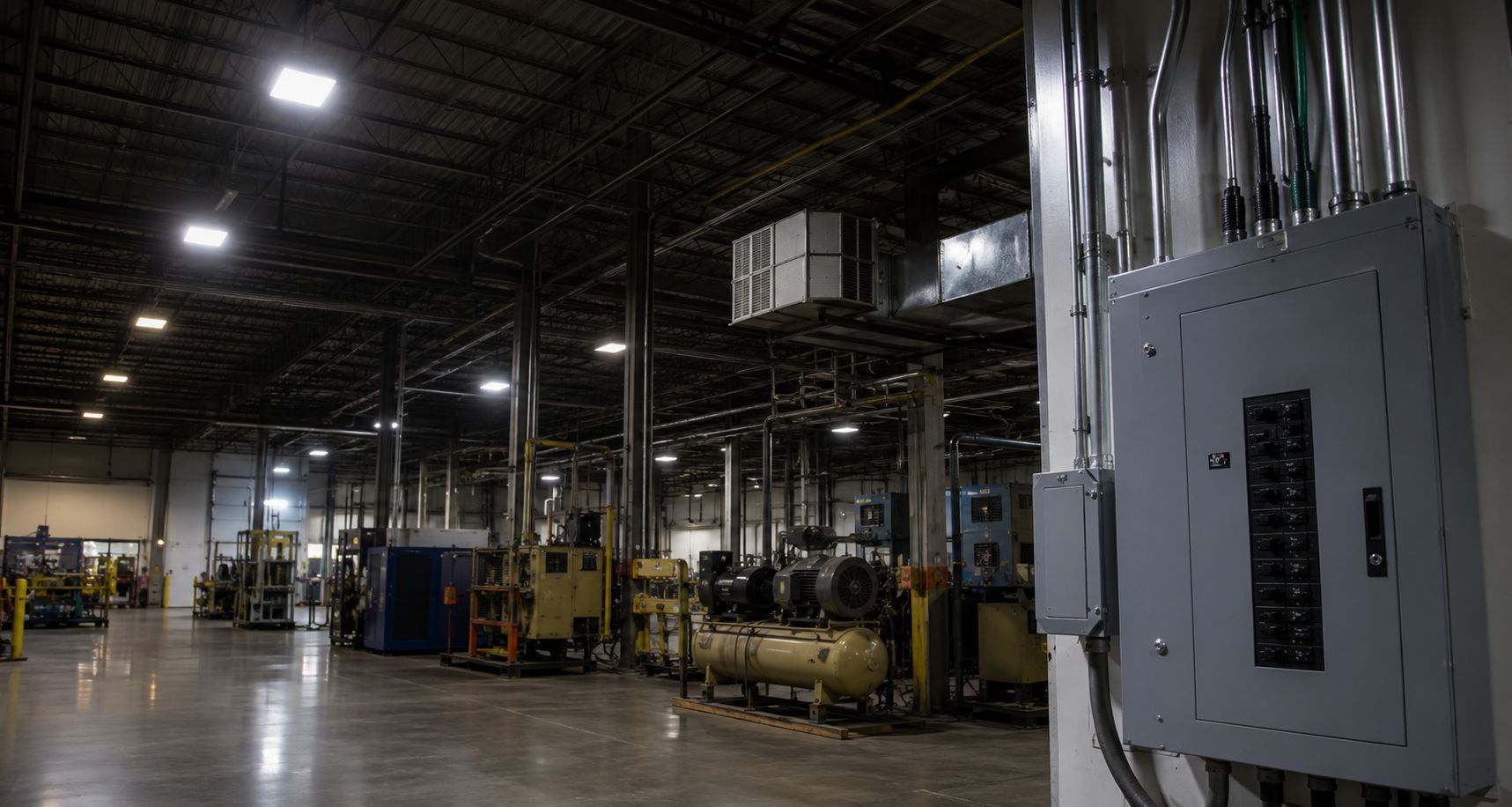
Electrical panels serve as the central distribution hub for power in commercial buildings. Any malfunction within the panel system can disrupt multiple operations simultaneously. These systems regulate and control electrical flow across various circuits. Because of their critical role, maintaining panel efficiency is essential for ensuring uninterrupted operations, safety, and overall electrical system stability.
Common Panel-Related Problems
Corrosion, loose electrical connections, and outdated breaker systems are frequent issues found in commercial electrical panels. Over time, increased energy demand can overload panels, leading to inefficiency or failure. Poor maintenance practices also contribute to deterioration. These issues reduce system reliability, increase safety risks, and can cause unexpected operational disruptions if not addressed promptly.
Warning Indicators of Panel Issues
Unusual noises, frequent breaker resets, and visible wear inside electrical panels are key warning signs of problems. Excessive heat generation or burning odors near panel areas indicate serious electrical stress. These symptoms should never be ignored, as they often signal developing hazards. Early detection allows corrective action and helps ensure safe electrical operation.
Maintenance and Upgrade Practices
Routine inspections of electrical panels ensure safe and efficient operation in commercial environments. Upgrading outdated panels allows them to handle modern electrical loads effectively. Proper labeling of circuits improves maintenance accuracy and reduces errors. Load management practices enhance system stability. These measures improve reliability, extend equipment lifespan, and ensure uninterrupted electrical performance across facilities.
Reliable Commercial Power Systems Delivered With Precision
Commercial electrical issues often begin with subtle signs such as flickering lights, inconsistent equipment performance, or frequent breaker trips. When identified early, these warning signals help prevent costly disruptions and maintain operational stability. Regular inspections, load management, and timely system upgrades play a crucial role in ensuring electrical safety and efficiency within commercial environments.
A proactive approach to electrical maintenance reduces risks associated with downtime, equipment damage, and safety hazards. Understanding these common issues allows for better decision-making and long-term infrastructure reliability. Businesses that prioritize electrical system health benefit from improved productivity and reduced operational expenses.
TRI ELECTRIC COMPANY, INC.
operates as a trusted provider in
Commercial Electrical Contracting Services
with over 20
years of experience in Houston, Texas. A strong foundation in commercial electrical systems allows consistent delivery of reliable, code-compliant solutions tailored to complex business environments. Expertise spans installation, maintenance, troubleshooting, and system upgrades designed to support evolving commercial demands. Commitment to safety, precision, and long-term performance ensures dependable electrical infrastructure for a wide range of commercial applications.