How Modern Electrical Installations Can Boost Your Business Efficiency
March 27, 2026
Modern businesses operate in an environment where speed, reliability, and adaptability determine success. From advanced manufacturing facilities to technology-driven office spaces and retail environments, electrical systems play a foundational role in supporting daily operations. As equipment becomes more sophisticated and digital workflows expand, outdated or poorly designed electrical installations can create hidden inefficiencies that limit productivity and increase operational costs. Understanding how modern electrical infrastructure supports streamlined performance is essential for organizations aiming to remain competitive in a rapidly evolving market. In addition, businesses must consider how evolving energy demands and regulatory expectations influence infrastructure planning. Proactive electrical upgrades not only address current operational challenges but also help create resilient systems that support long-term strategic objectives and performance consistency.
Beyond simply delivering power, contemporary electrical installations are designed to optimize workflow continuity, energy consumption, safety, and scalability. Strategic upgrades such as smart distribution systems, automation integration, and energy-efficient lighting solutions can transform the way businesses function. When electrical systems align with operational goals, organizations benefit from reduced downtime, improved employee performance, and enhanced asset longevity. Exploring the practical impact of modern electrical installations provides valuable insight into how thoughtful infrastructure investments contribute to stronger efficiency outcomes and sustainable growth. Businesses that prioritize electrical modernization position us to respond effectively to technological advancements and shifting industry demands. Such forward-looking investments also strengthen operational transparency, support sustainability initiatives, and enable organizations to maintain consistent service quality while adapting to changing market conditions and customer expectations.
1. Strengthening Operational Reliability Through Advanced Power Distribution
Minimizing Downtime With Intelligent Electrical Design
Reliable power distribution is essential for maintaining uninterrupted business operations across diverse commercial environments. Modern electrical installations incorporate advanced circuit protection, load balancing strategies, and real-time monitoring technologies that help prevent unexpected disruptions and costly operational slowdowns. When power systems are designed with redundancy and predictive maintenance capabilities, we can identify potential failures before they escalate into costly shutdowns or prolonged service interruptions.
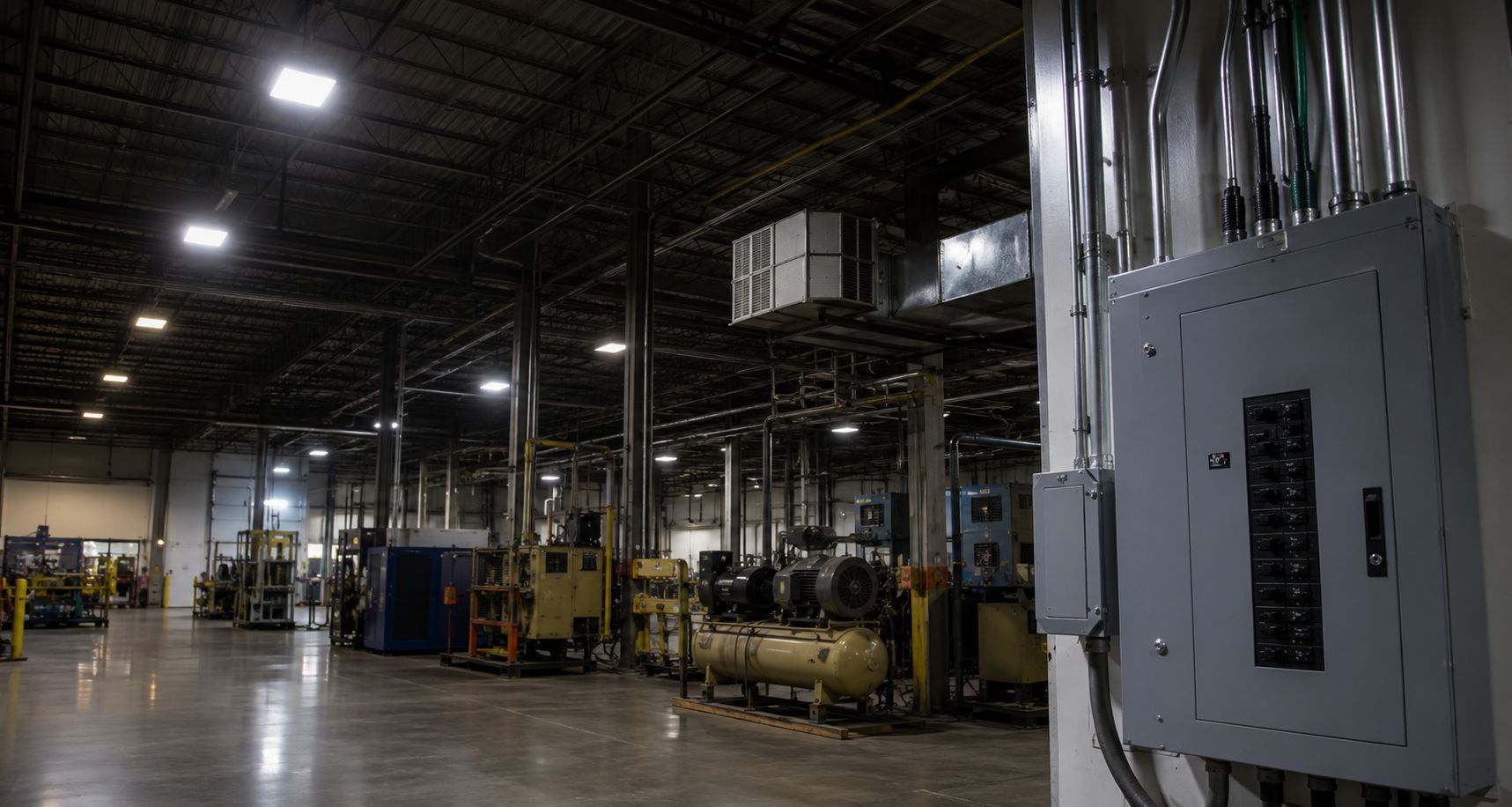
For example, manufacturing facilities equipped with intelligent switchgear can isolate faults instantly while maintaining power supply to unaffected zones and departments. This proactive approach ensures production schedules remain intact, preventing delays that could impact customer satisfaction, contractual commitments, and overall revenue generation stability.
Supporting High-Performance Equipment Needs
Today’s businesses rely on equipment with precise voltage and power quality requirements to maintain consistent productivity levels. Fluctuations in electrical supply can lead to equipment malfunctions, reduced lifespan, inconsistent output quality, and increased maintenance burdens. Modern installations address these concerns by integrating voltage regulation devices, surge protection systems, and harmonic filters that stabilize power delivery effectively.
By maintaining consistent electrical performance, we create an environment where machinery operates at optimal efficiency throughout demanding operational cycles. This stability translates into predictable output levels, improved quality control measures, enhanced operational confidence, and reduced maintenance expenditures over extended periods.
2. Enhancing Energy Efficiency for Cost Optimization
Adopting Smart Energy Management Solutions
Energy consumption represents a significant portion of operational expenses across industries, influencing long-term financial sustainability and competitiveness. Modern electrical installations leverage smart meters, automated controls, and centralized energy management systems that provide actionable insights into consumption patterns and usage trends. With access to accurate data, we can implement targeted strategies to reduce waste, optimize usage during peak demand periods, and improve budgeting accuracy.
For instance, office complexes utilizing automated lighting schedules and occupancy sensors experience measurable reductions in electricity bills and unnecessary consumption. These technologies ensure energy is only used when necessary, supporting sustainability initiatives while strengthening financial performance and organizational accountability objectives.
Implementing High-Efficiency Equipment and Lighting
Replacing legacy electrical components with energy-efficient alternatives can generate immediate performance gains and measurable operational improvements. LED lighting systems, high-efficiency transformers, and advanced motor drives contribute to reduced energy loss, lower heat generation, and enhanced overall system durability. Such improvements not only decrease operating costs but also enhance workplace comfort, employee satisfaction, and equipment reliability.
Real-world case studies consistently demonstrate that businesses adopting efficient electrical solutions achieve faster return on investment and improved operational transparency. Over time, cumulative savings enable reinvestment into innovation initiatives, workforce development programs, and infrastructure upgrades that further improve competitiveness.
3. Supporting Automation and Digital Transformation Initiatives
Enabling Seamless Integration of Smart Technologies
Digital transformation efforts depend heavily on electrical systems capable of supporting networked devices, automated machinery, and cloud-connected infrastructure efficiently. Modern installations are designed with scalable wiring frameworks, structured cabling solutions, and dedicated circuits for critical technologies and data-driven operations. This forward-thinking approach simplifies integration, reduces implementation barriers, and strengthens overall system performance reliability.
Retail environments, for example, increasingly rely on smart checkout systems, digital displays, and inventory management tools to improve customer experiences. Without robust electrical infrastructure, these innovations may suffer performance limitations that undermine customer satisfaction, operational efficiency, and long-term brand credibility.
Improving Workflow Efficiency Through Automation
Automation technologies can significantly accelerate task completion, minimize human error, and improve operational consistency across multiple departments. Electrical installations that accommodate programmable logic controllers, robotics, and sensor networks empower businesses to streamline production cycles and administrative processes effectively. We benefit from faster response times, improved data accuracy, enhanced resource allocation, and stronger performance visibility.
In logistics facilities, automated conveyor systems powered by optimized electrical layouts enable continuous material movement with minimal manual intervention or workflow disruptions. This efficiency reduces labor strain, enhances safety standards, and supports higher throughput, directly influencing profitability and service reliability metrics.
4. Strengthening Workplace Safety and Compliance Standards
Reducing Risk Through Modern Protective Measures
Safety remains a critical priority in commercial environments where electrical hazards can pose significant operational and financial risks daily. Modern electrical installations incorporate ground-fault protection, arc-flash mitigation systems, and updated panel configurations that help prevent accidents, service interruptions, and costly equipment damage incidents. These features contribute to a safer working environment, improved workforce morale, stronger productivity levels, and reduced likelihood of regulatory penalties.
When businesses invest in updated electrical safety mechanisms, we demonstrate a commitment to protecting employees, valuable assets, and operational continuity consistently across all departments. Reduced incident rates translate into fewer disruptions, lower insurance costs, enhanced compliance confidence, improved stakeholder trust, and stronger organizational reputation within competitive markets.
Ensuring Alignment With Evolving Industry Regulations
Electrical codes and compliance standards evolve to address emerging risks, technological advancements, and sustainability expectations across industries worldwide. Businesses operating with outdated installations may struggle to meet inspection requirements, leading to operational delays, reputational damage, financial setbacks, or costly remediation efforts. Modernizing electrical systems ensures ongoing compliance, strengthens accountability frameworks, improves documentation processes, and simplifies future upgrades or facility expansions.
For example, hospitality venues implementing updated emergency lighting and backup power systems can maintain operations during unexpected outages and emergencies more effectively. Compliance readiness enhances stakeholder confidence, protects customer experiences, strengthens operational resilience, and supports long-term business stability in dynamic commercial environments.
5. Facilitating Scalability and Future Growth Opportunities
Designing Infrastructure for Expansion
As businesses grow, electrical demands often increase due to additional equipment, expanded facilities, evolving technologies, or higher workforce capacity requirements. Modern installations prioritize modular designs, scalable distribution panels, advanced monitoring systems, and flexible load distribution frameworks that accommodate future upgrades without extensive reconstruction or disruption.
Technology startups transitioning from small offices to larger workspaces benefit from scalable electrical systems that allow seamless equipment integration and operational continuity throughout expansion stages. By planning for growth, we avoid costly retrofits, reduce project delays, improve budgeting accuracy, and minimize operational interruptions during critical expansion phases.
Adapting to Changing Market Requirements
Market trends and customer expectations can shift rapidly, requiring businesses to adopt new tools, emerging technologies, and operational models proactively. Electrical infrastructure capable of supporting diverse applications provides the agility needed to respond effectively to evolving industry demands and competitive pressures. Whether introducing electric vehicle charging stations, renewable energy integration, smart automation platforms, or advanced data centers, modern installations enable timely innovation.
Organizations that proactively invest in adaptable electrical solutions position us to capitalize on emerging opportunities and strengthen competitive positioning significantly. This readiness enhances resilience, supports strategic planning efforts, improves investment confidence, and ensures sustained efficiency even as industry landscapes continue evolving.
Experienced Electrical Contractors Powering Modern Business Performance
Delivering efficient electrical solutions requires experience, technical precision, and a clear understanding of commercial operational needs. With more than 20 years of industry involvement, TRI ELECTRIC COMPANY, INC. provides commercial electrical contracting services designed to improve reliability, scalability, and energy performance for modern businesses. Based in Houston, Texas, extensive project exposure across diverse commercial environments has enabled us to develop practical strategies that align electrical infrastructure with productivity goals.
From system upgrades and new installations to power distribution optimization and energy-efficient lighting integration, our approach focuses on measurable performance improvements. Every project emphasizes safety compliance, forward-thinking design, and seamless technology integration to support evolving operational demands. By prioritizing detailed planning and high-quality execution, we help businesses reduce downtime risks, manage operational costs effectively, and create adaptable electrical frameworks that support future expansion.
Choosing a knowledgeable commercial electrical partner strengthens confidence in infrastructure investments. Our commitment to delivering dependable solutions ensures that organizations can focus on growth, innovation, and customer satisfaction while benefiting from electrical systems built for efficiency and long-term value.